The Tang Golden Age: Poetry, Chang'an, and the Silk Road
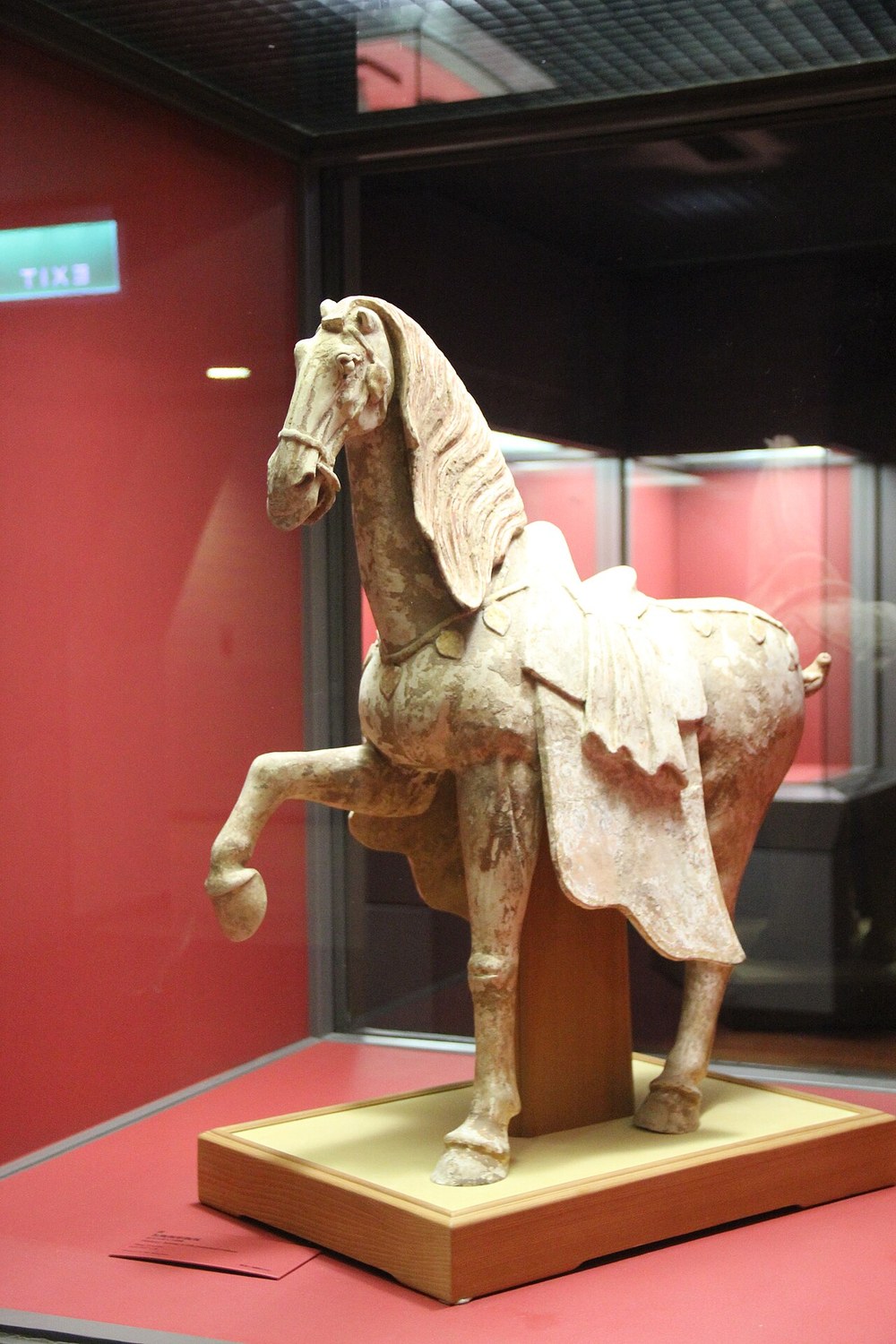
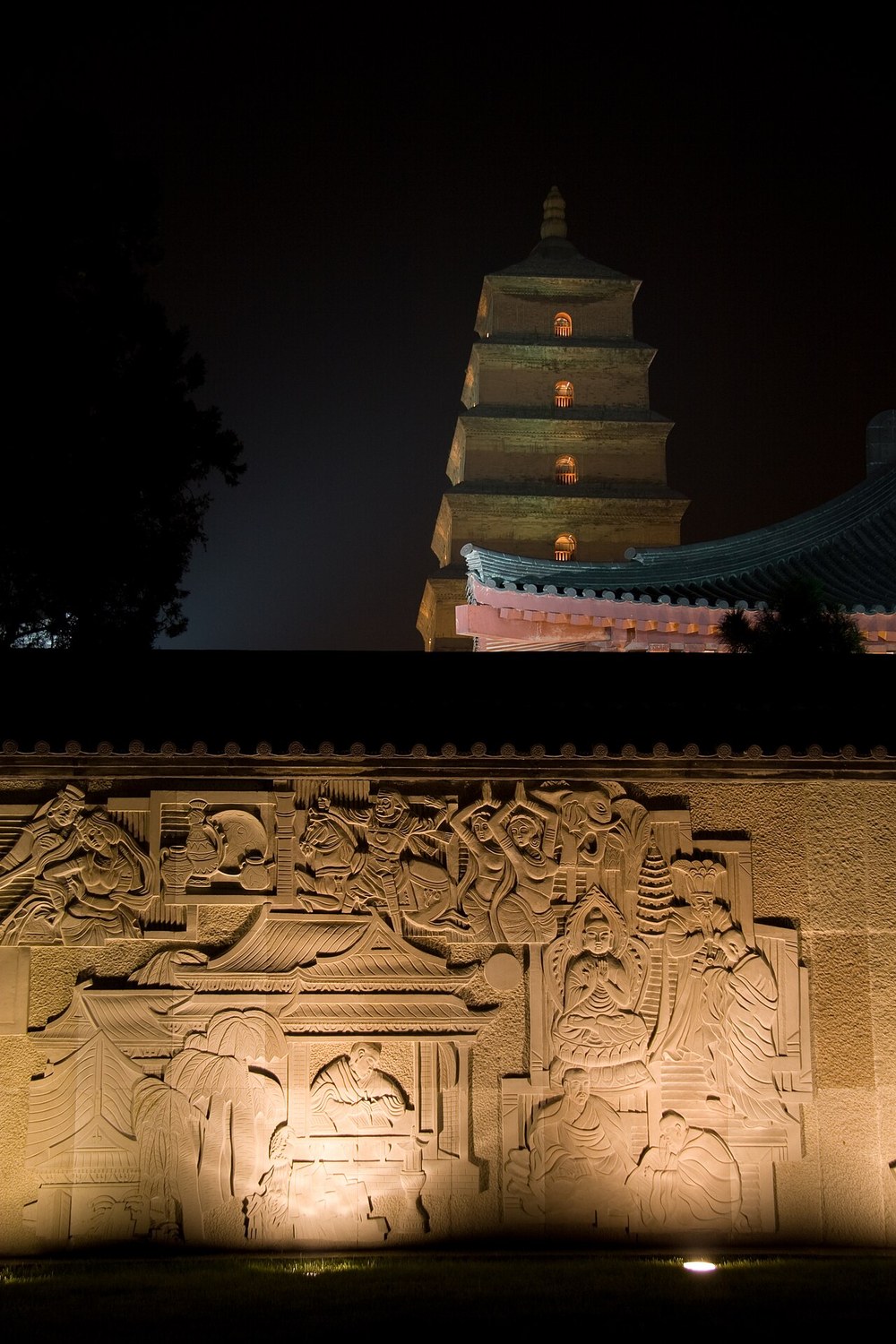
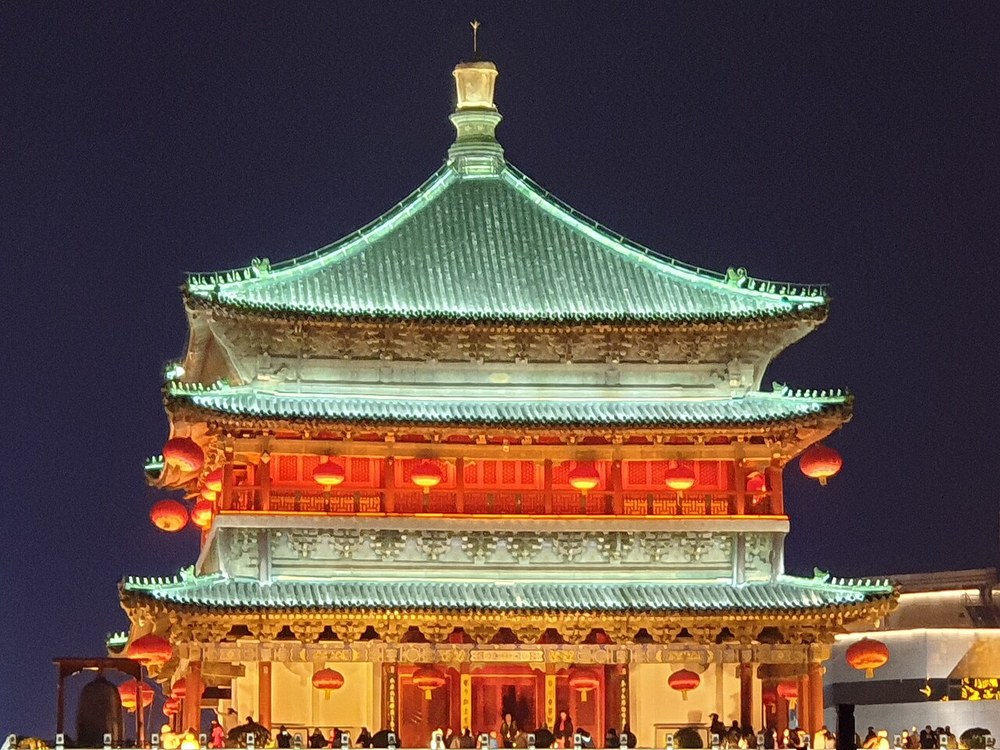
If you ask which age Chinese people look back on with the most pride, most will name the Tang. For nearly three centuries, from 618 to 907, China was one of the largest, richest, and most open states in the world. Its capital, Chang'an, was probably the largest city on Earth, drawing merchants, monks, musicians, and students from Persia, India, Korea, Japan, and Central Asia. Its poets — Li Bai and Du Fu — wrote the verses Chinese schoolchildren still learn today. The Tang left such a mark that overseas Chinese communities are still called "people of Tang," and a Chinatown anywhere in the world is a "Tang people's street."
In short
The Tang dynasty (618–907) is generally regarded as a high point of Chinese civilisation and a golden age of cosmopolitan culture. Its capital, Chang'an (modern Xi'an), was the world's most populous city, with about a million people around 700 CE, and the empire's population grew from about 50 million to about 80 million. It was the greatest age of Chinese poetry — more than 48,900 Tang poems survive — and the high point of the Silk Road. The dynasty was broken by the An Lushan Rebellion (755–763) and ended in 907.
An empire rebuilt
The Tang rose from the wreckage of the short-lived Sui dynasty, whose ruinous wars and forced labour on the Grand Canal had sparked nationwide revolt. The Li family seized power in 618, and Emperor Gaozu founded the Tang. His son Taizong and grandson Gaozong extended the empire's reach across Central Asia until Tang territory rivalled that of the Han. The Tang perfected a centralised bureaucracy — the Six Ministries — that survived until the last years of the Qing, and matured the imperial examinations that chose officials by learning rather than birth.
The dynasty was briefly interrupted when Wu Zetian seized the throne and proclaimed her own Zhou dynasty from 690 to 705 — the only woman ever to rule China as emperor in her own right.
The world's largest city
Chang'an was laid out as a great grid of walled wards, with broad avenues, markets, and temples. Around 600 CE about 600,000 people lived there; by about 700 it had around a million, making it the largest city in the world — a position it held for much of the next century. Foreigners were everywhere: Persian merchants, Indian monks, Central Asian musicians, Japanese and Korean students. Buddhism flourished, and the monk Xuanzang's journey to India (629–645) brought back hundreds of Buddhist texts.
The high noon of the dynasty came under Emperor Xuanzong (r. 712–756). The Kaiyuan era (713–741) was the empire's golden moment: efficient government, a booming economy, secure frontiers, and a court at the centre of East Asian culture. This was the age when Li Bai and Du Fu were young, and Chang'an glittered.
The poets and the fall
Chinese culture flowered in the Tang as in no other age. It is traditionally considered the greatest age for Chinese poetry: more than 48,900 poems by over 2,200 authors survive. Li Bai (701–762), the romantic, wrote at least a thousand poems on wine, the moon, and friendship; Du Fu (712–770), the realist, wrote more than a thousand on war, poverty, and the hard lives of ordinary people. Both survived the catastrophe that ended the golden age.
In 755 the general An Lushan rebelled, and his armies swept south and seized both capitals. The rebellion lasted eight years (755–763), killed millions, and shattered the empire's finances and its control of the provinces. The Tang survived for another century and a half, but as a wounded empire — its later decades marked by eunuch power at court, agrarian rebellion, and a population that fell sharply. In 907 the warlord Zhu Wen deposed the last Tang emperor, a boy of fourteen, and China broke apart again into the Five Dynasties and Ten Kingdoms.
Sources: Wikipedia, "Tang dynasty"; China Highlights, "10 Facts on the Tang Dynasty"; WillyChina, "The Tang Dynasty (618–907): China's Golden Age"; Britannica, "Tang dynasty" Checked 27 November 2026.