The Ming Dynasty and the Forbidden City
The Ming was born in rebellion. Zhu Yuanzhang, a peasant who had been a beggar and a Buddhist monk, drove the Mongols out of China and founded a dynasty that would last 276 years. The Ming restored Han Chinese rule, built the greatest palace in the world — the Forbidden City — sent treasure fleets as far as East Africa, and rebuilt the Great Wall in brick and stone into the wall we know today. It was also a dynasty that turned inward, and its ending, in 1644, came at the hands of rebels and the Manchus waiting beyond the Wall.
In short
The Ming dynasty (1368–1644) was founded by Zhu Yuanzhang (Emperor Hongwu), who drove out the Mongols and made Nanjing his capital. The Yongle Emperor (r. 1402–1424) moved the capital to Beijing and built the Forbidden City between 1406 and 1420, and sent the admiral Zheng He on seven voyages (1405–1433) across the Indian Ocean to India, Arabia, and East Africa. The Ming rebuilt the Great Wall in brick and stone — most of the wall standing today is Ming work. The dynasty fell in 1644 when rebels took Beijing and Manchu armies crossed the passes.
A peasant becomes emperor
Decades of flooding, famine, and plague had eroded the Mongols' Mandate of Heaven, and peasant discontent boiled over into rebellion. From the ranks of the destitute rose Zhu Yuanzhang, a former beggar and Buddhist monk. In 1368 his armies swept central and eastern China clear of opposition, drove the last Mongol emperor out of Beijing and beyond the Great Wall, and inaugurated the Ming dynasty — "bright" — with its capital at Nanjing. As the Hongwu Emperor (r. 1368–1398) he rebuilt the state, restored the examination system, and set up a strong, centralised government.
The Forbidden City
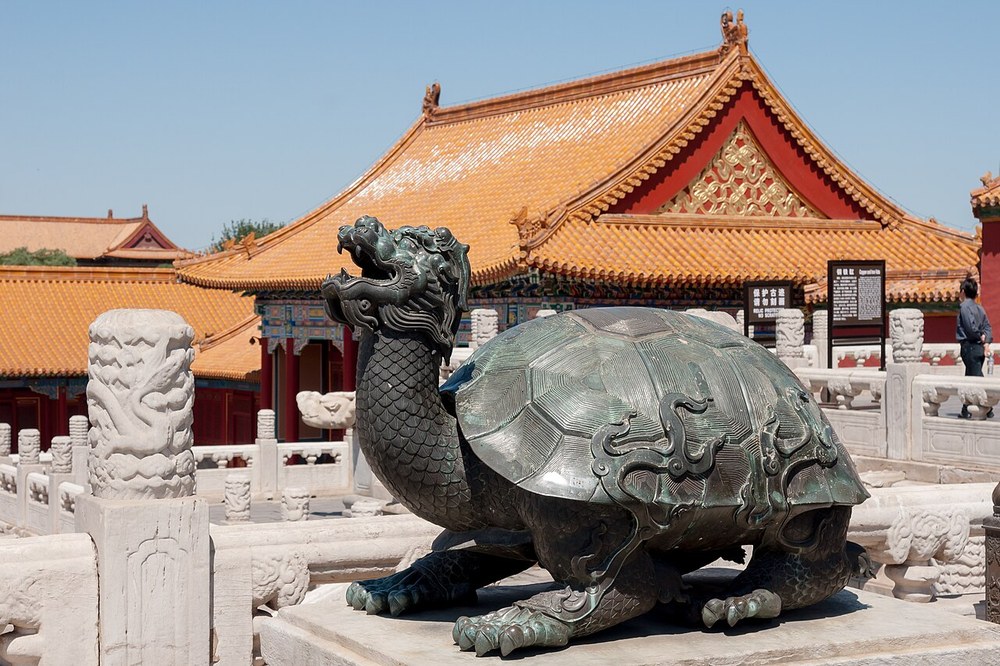
The dynasty's greatest building came under the third emperor, Yongle (born Zhu Di, r. 1402–1424), who had seized the throne from his nephew. He moved the capital from Nanjing to Beijing and ordered the construction of the Forbidden City in 1406. After fourteen years of work it was completed in 1420, and the court moved in. The vast complex of palaces, built on a central axis that ordered the whole city, was named the Forbidden City because most of the realm's subjects were barred from entering it. It served as the home of China's emperors — Ming and Qing alike — for almost 500 years, until the end of imperial China in 1912.
Zheng He's treasure fleets
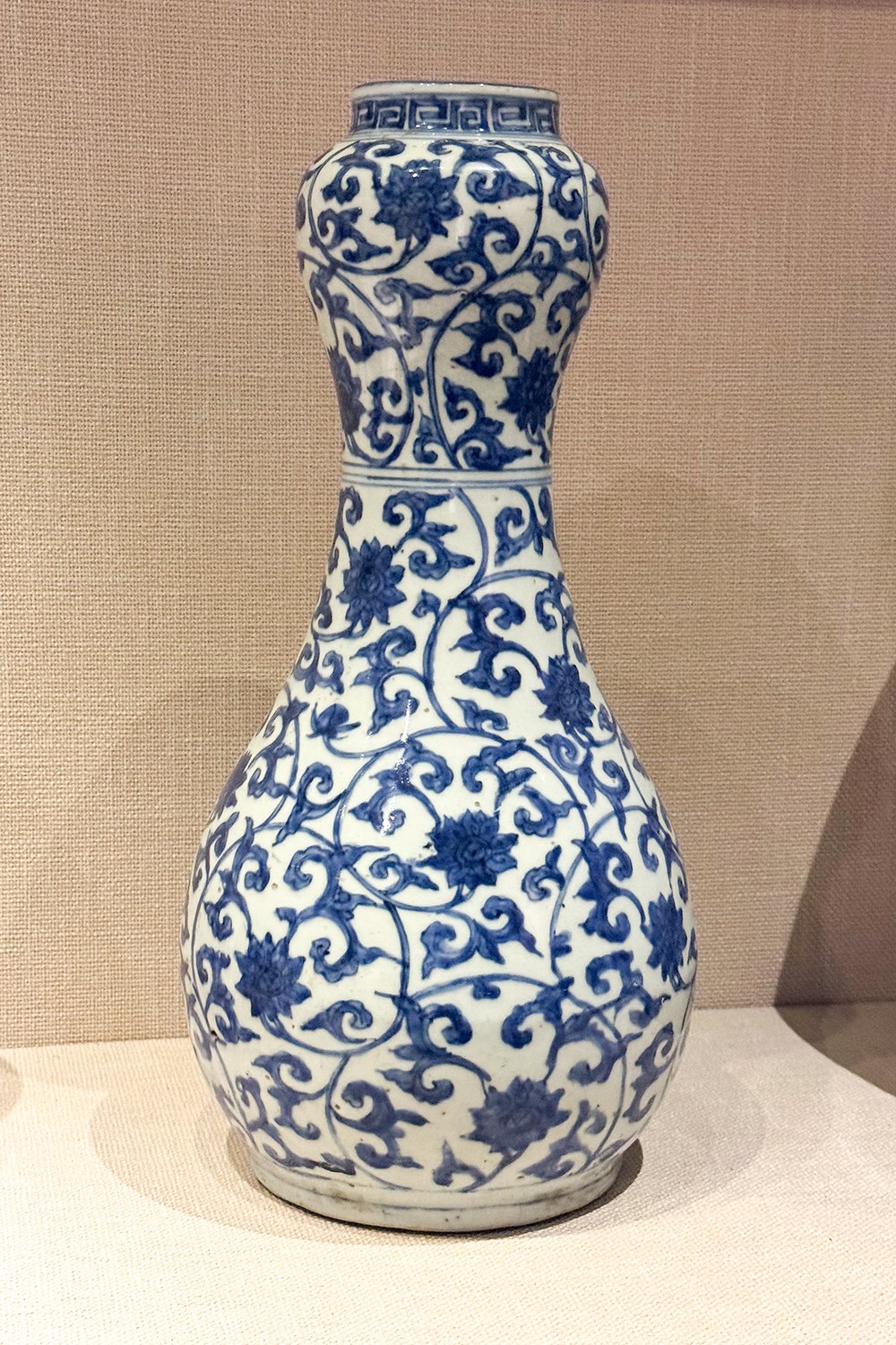
Yongle also built a great fleet and put the Muslim eunuch admiral Zheng He (1371–1433) in command. Between 1405 and 1433, Zheng He led seven voyages across the Indian Ocean — to Southeast Asia, India, Arabia, and the East African coast — with ships far larger than any Vasco da Gama or Columbus would sail a century later. The voyages were state diplomacy and tribute trade on a scale few earlier regimes had attempted: they carried Chinese porcelain, silk, and goods, and brought back envoys, exotic animals, and knowledge. After Zheng He's death, no other major expansionist programme was undertaken for centuries, and China turned inward.
The Wall and the fall
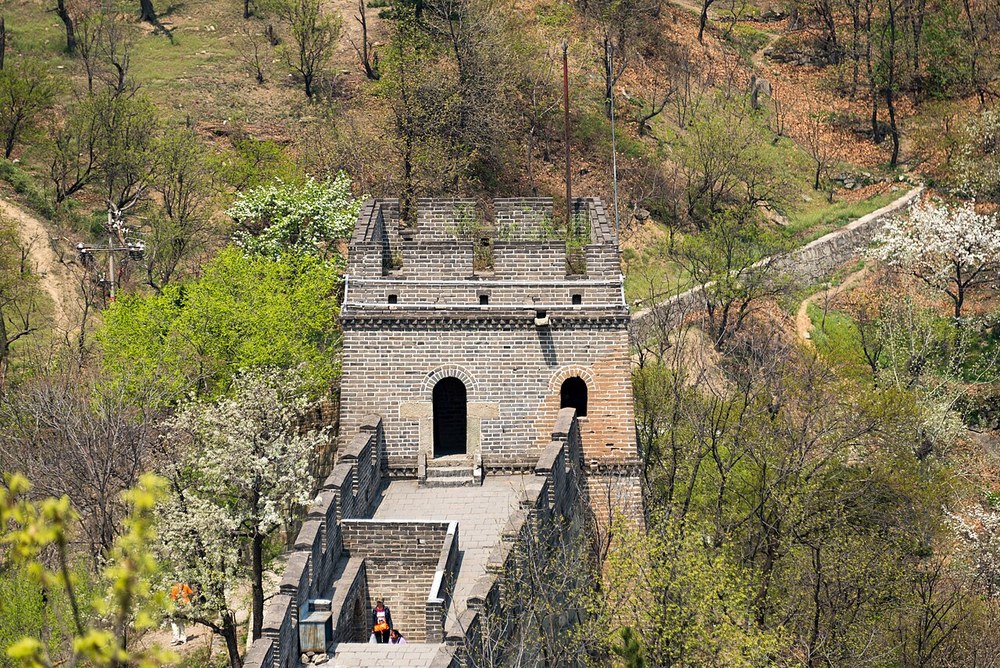
The Ming knew the Mongols would remain a threat, and they rebuilt the Great Wall on a scale never seen before. Under generals such as Qi Jiguang in the 16th century, the old rammed-earth walls were faced in brick and stone, with watchtowers, forts, and garrisons along the frontier — more than 1,200 watchtowers in Qi's sector alone. Most of the Great Wall that tourists visit today is Ming work.
But the dynasty's later years brought fiscal strain, factional conflict, frontier pressure, and rebellion. Combined with crop failure, floods, and plague, the Ming collapsed in 1644: the rebel Li Zicheng entered Beijing, the last Ming emperor died, and the Manchus — who had been waiting beyond the Wall — crossed the passes and took the capital. The Ming was over; the Qing had begun.
Sources: Britannica, "Yongle"; China Highlights, "Ming Dynasty: Key Events, Emperors, Achievements & Fall"; TheCollector, "The Mighty Ming Dynasty in 5 Key Developments" Checked 27 November 2026.