Song Innovation: Printing, Gunpowder, and the Compass
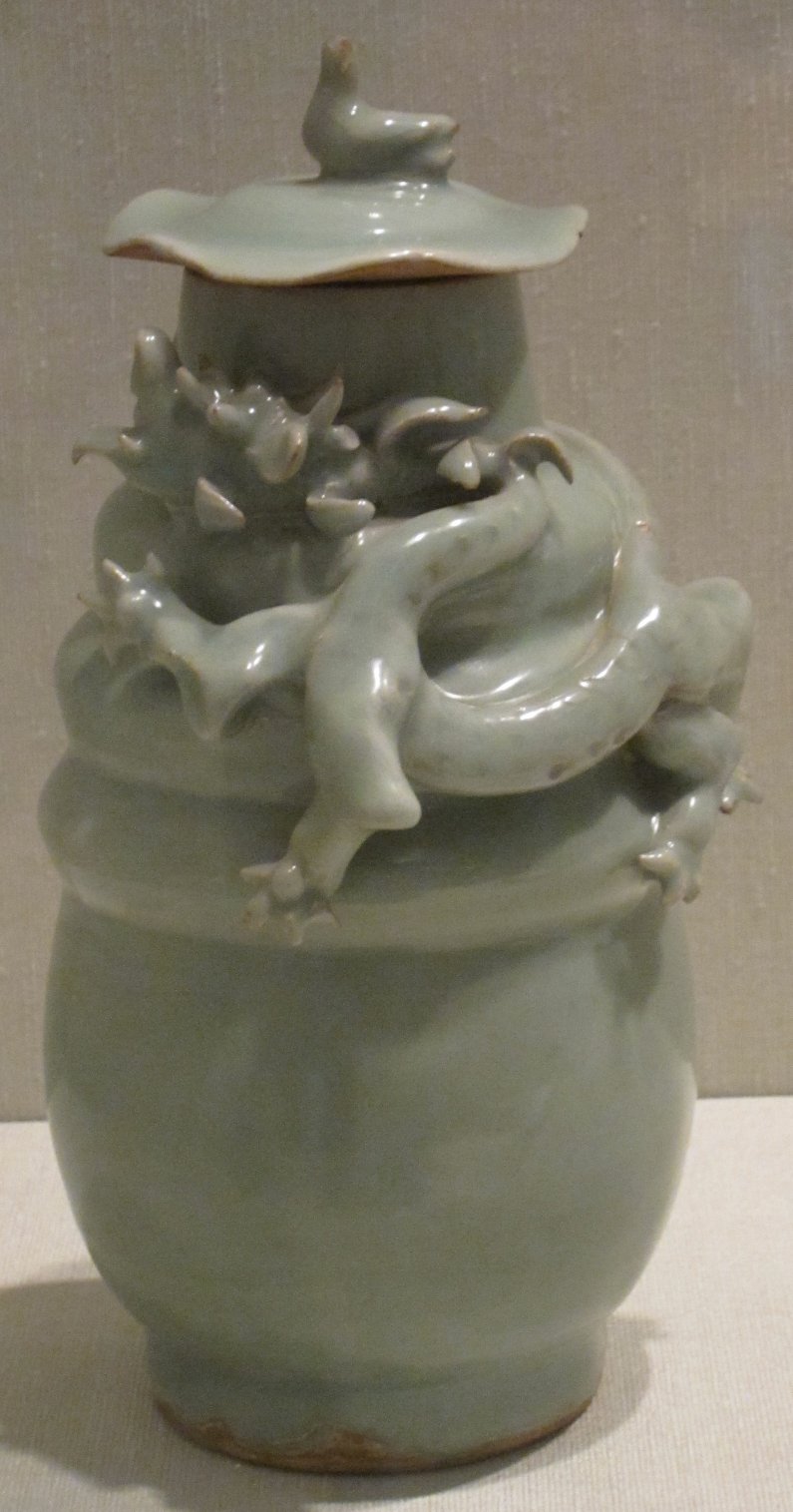

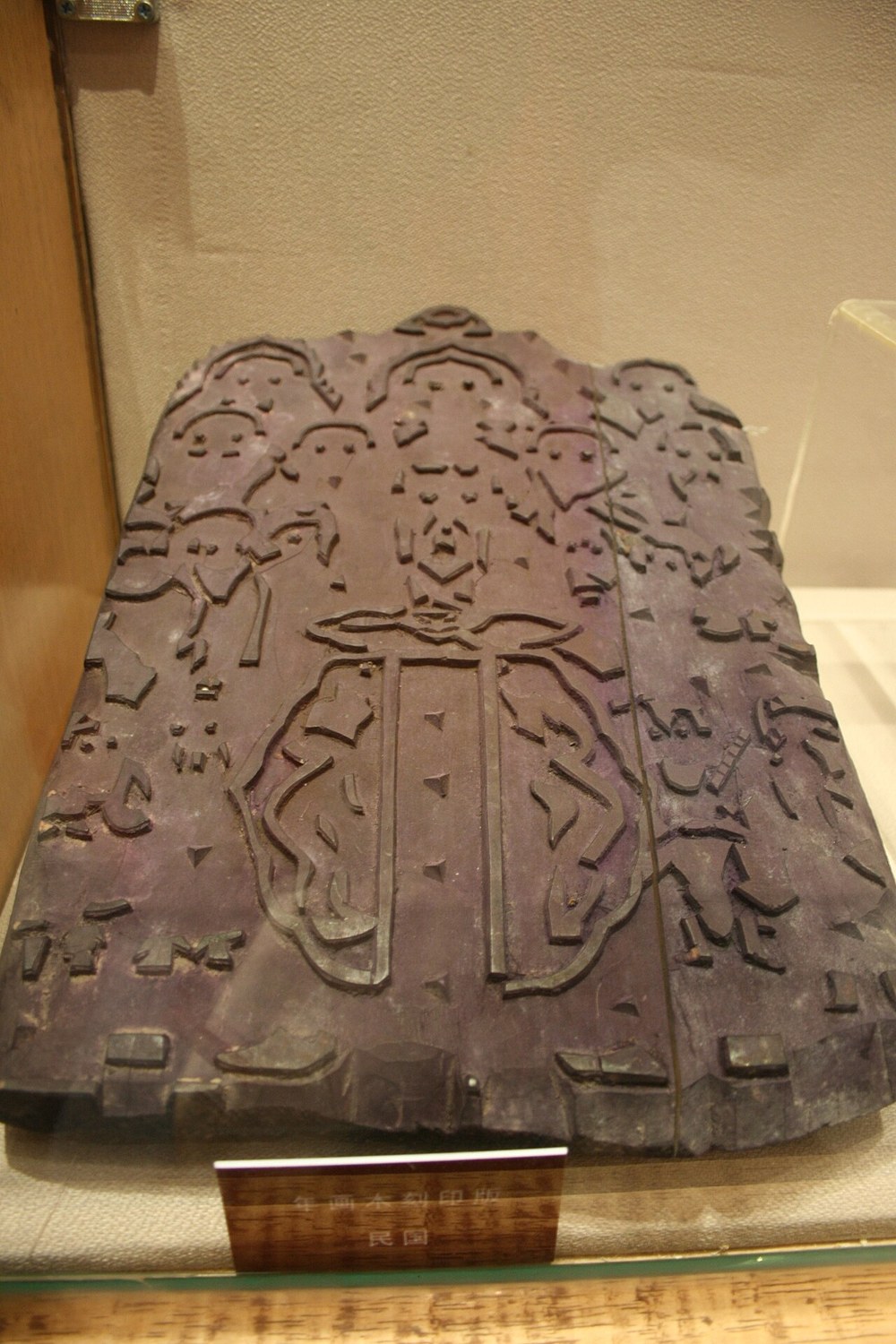
The Song dynasty never ruled as much territory as the Tang, and its armies were often beaten. Yet in science and technology, Song China was the most advanced country on Earth — a period historians sometimes compare to the European Renaissance, three centuries early. In three hundred years the Song gave the world movable type printing, gunpowder weapons, the magnetic compass for navigation, and the first paper money. It also built cities of more than a million people and an economy so commercial that some historians call it the world's first modern one.
In short
The Song dynasty (960–1279) is noted for major advances in printing, gunpowder, the compass, and paper money. Around 1040 the craftsman Bi Sheng invented movable type with fired clay characters; the compass was refined for sea navigation, with Shen Kuo describing true north; gunpowder became a weapon of war; and the government issued the world's first paper banknotes, the jiaozi, around 1024. The dynasty ended in 1279 when Mongol armies completed their conquest of China.
A smaller empire, a richer one
The Song was founded in 960 when the general Zhao Kuangyin reunified most of China after the fragmentation that followed the Tang. In 1127 the Jurchen Jin state captured the north, and the Song court fled south to Hangzhou — the divide between the Northern Song (960–1127) and the Southern Song (1127–1279). The Song never recovered the north, but the south flourished: early-ripening rice from Southeast Asia doubled harvests, the population passed 100 million, and cities along the great rivers and the southeast coast grew to more than a million people. Commerce developed to an unprecedented extent, with trade guilds, markets, and the world's busiest ports.
Printing and paper money
Woodblock printing had existed since the Tang — the oldest known printed work, a Buddhist text, dates to 868 CE. The Song breakthrough was movable type. Around 1040, the craftsman Bi Sheng (c. 990–1051) made individual characters from fired clay, set them in an iron frame, inked them, and pressed them onto paper. The pieces could be reused for the next page — the same principle Gutenberg would use in Europe four centuries later. Widespread printing of the Confucian Classics brought literature and learning to far more people than ever before.
Printing made paper money possible. Merchants in Sichuan had begun circulating receipts for deposits of coins; the Song government took over the system and issued the jiaozi, the world's first government-printed paper currency, around 1024. The first national form of paper currency followed in 1265 — though the system collapsed as the dynasty crumbled in the 1270s.
Gunpowder and the compass
Gunpowder — a mixture of saltpetre, sulphur, and charcoal — had been formulated by Chinese alchemists in the 9th century. It was the Song military that turned it into a weapon: fire arrows recorded in 1000 CE, thunderclap bombs by 1127, fire lances (gunpowder shot from bamboo or metal tubes, the ancestor of the gun), and land mines by 1277. Gunpowder helped the Song hold off the Liao, the Western Xia, and the Jin for generations — until the Mongols, who had learned the same weapons, used them against the Song themselves.
The compass was the other great Song gift to the world. The polymath Shen Kuo (1031–1095), author of the Dream Pool Essays, described the magnetic compass and established the concept of true north — the first known experiments with magnetic declination. His work improved the accuracy of maritime navigation, and Song ships, with compasses, charts, and watertight compartments, traded across the Indian Ocean as far as Arabia and East Africa.
The Song also produced the great clock tower of the engineer Su Song (completed 1092), driven by a waterwheel, and advances in medicine, astronomy, and metallurgy. But no invention could save the dynasty: in 1279 the Mongol fleet destroyed the last Song forces near Guangzhou, and the boy emperor died at sea. The Mongols, under Kublai Khan, now ruled all of China.
Sources: Britannica, "Song dynasty"; EBSCO Research Starters, "Science and technology of the Song dynasty"; Wikipedia, "Science and technology of the Song dynasty"; History Tools, "Ingenious Inventions of the Song Dynasty" Checked 27 November 2026.