The Mongol Yuan Dynasty: Kublai Khan's China
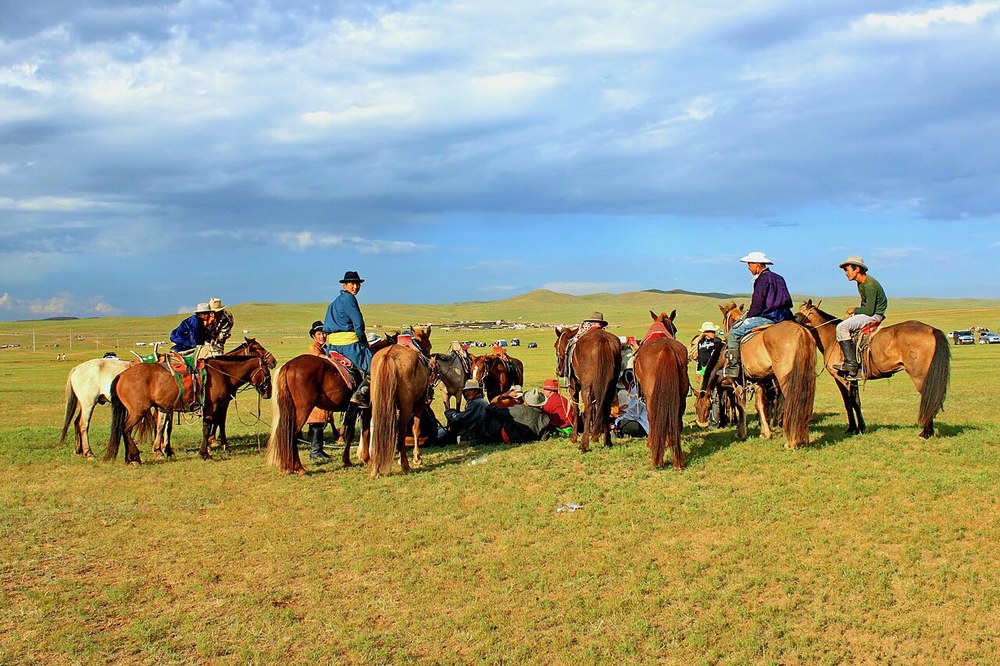
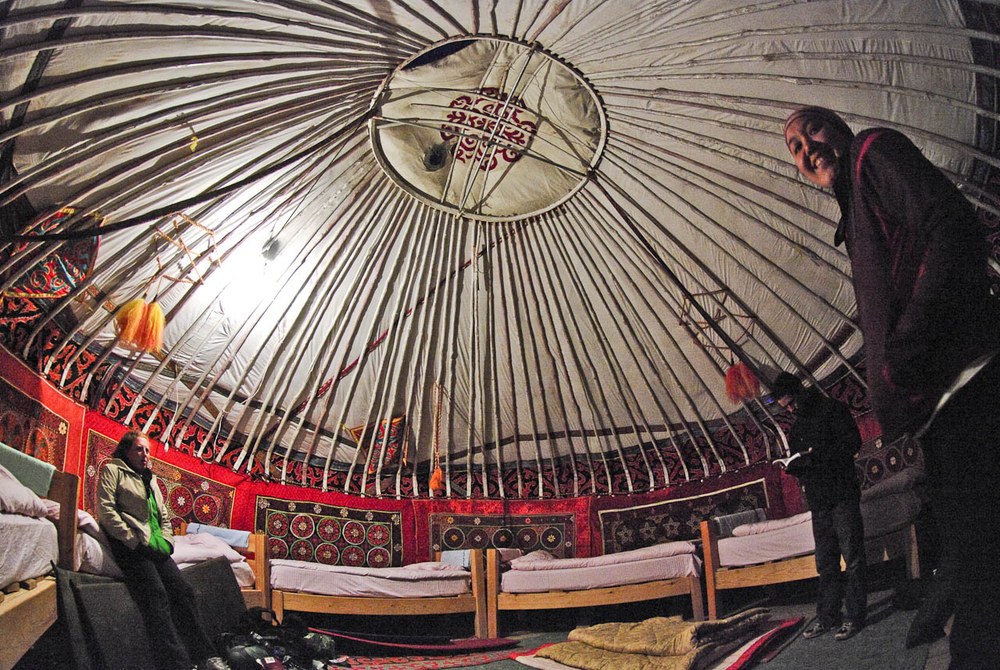
In 1206, on the steppes north of China, a Mongol chieftain named Temujin was proclaimed Genghis Khan — ruler of all the Mongols. Within two generations his grandson Kublai Khan ruled the largest land empire in history and, as the first foreign ruler of all China, founded the Yuan dynasty. The Mongols never became fully Chinese, and their dynasty was the shortest-lived of China's major dynasties — just 97 years. But their rule remade China's map, made Beijing its capital for the first time, and opened the Silk Road as never before.
In short
The Yuan dynasty (1271–1368) was established by Kublai Khan, grandson of Genghis Khan, and was the first foreign dynasty to rule all of China. Genghis unified the Mongols in 1206 and took Beijing in 1215; Kublai completed the conquest of the Southern Song in 1279, proclaimed the Yuan in 1271, and made Dadu (Beijing) his capital. The dynasty rebuilt the Grand Canal, ran a vast postal system, and presided over the Pax Mongolica, when trade flowed safely across Eurasia. Revolts overthrew the Yuan in 1368.
From the steppe to Beijing
Genghis Khan unified the Mongol tribes in 1206 and turned them into the most effective army the world had yet seen — fast horse archers who could outmanoeuvre any force they met. He began encroaching on the Jin dynasty in northern China in 1211 and took its capital, Yanjing (present-day Beijing), in 1215. For the next six decades the Mongols extended their control over the north, then turned south. The final consolidation came under his grandson Kublai Khan (reigned 1260–1294), who completed the conquest of the Southern Song in 1279.
In 1271 Kublai proclaimed the new dynasty in the traditional Chinese style, taking the name Yuan — "origin" — and claiming the Mandate of Heaven. In 1267 he had already moved his capital from Karakorum in Mongolia to a new city built around Taiye Lake in Beijing, called Dadu ("Great Capital") by the Chinese and Khanbaliq ("City of the Khans") by the Mongols. The Yuan was the first dynasty to make Beijing its capital, and Beijing has been China's capital, with brief interruptions, ever since.
Ruling China as outsiders
Kublai built a Chinese-style administration — a centralised bureaucracy, political subdivisions, and a rationalised tax system — and rebuilt the Grand Canal between Beijing and Hangzhou, repaired the roads, and ran a postal system of relay stations across the empire. He issued paper money across the whole Mongol world and patronised the arts, including the development of the novel as a literary form.
But unlike other rulers of China, the Mongols were never fully Sinicised, and that proved to be a factor in their downfall. They kept their separateness from the native population, kept the top offices in Mongol hands, and employed foreigners — such as the Venetian traveller Marco Polo, who served at Kublai's court for years — in the bureaucracy. Kublai himself could not read Chinese, though he kept Han Chinese teachers and revived Chinese rituals.
The Pax Mongolica
Because the Mongol empire stretched from the Pacific to Eastern Europe, the Yuan years saw more extensive foreign trade and contact than at any other time before the modern period. Under the Pax Mongolica — the "Mongol peace" — merchants, missionaries, and travellers could cross Eurasia under Mongol protection, and the Silk Road flourished again. Marco Polo's account of his travels, written after his return to Europe in 1295, became Europe's most famous description of China.
The peace did not last. The Mongols' separate status bred resentment, and in the mid-14th century famine, plague, and revolt swept the empire. In 1368 the rebel leader Zhu Yuanzhang drove the last Yuan emperor from Beijing, and the Mongol court fled back to the steppe. The Yuan — the shortest-lived major dynasty of China — was over, and a native Chinese dynasty, the Ming, took its place.
Sources: Britannica, "Yuan dynasty"; Wikipedia, "History of the Yuan dynasty"; EBSCO Research Starters, "Kublai Khan" Checked 27 November 2026.