Zhou and the Mandate of Heaven: China's Longest Dynasty
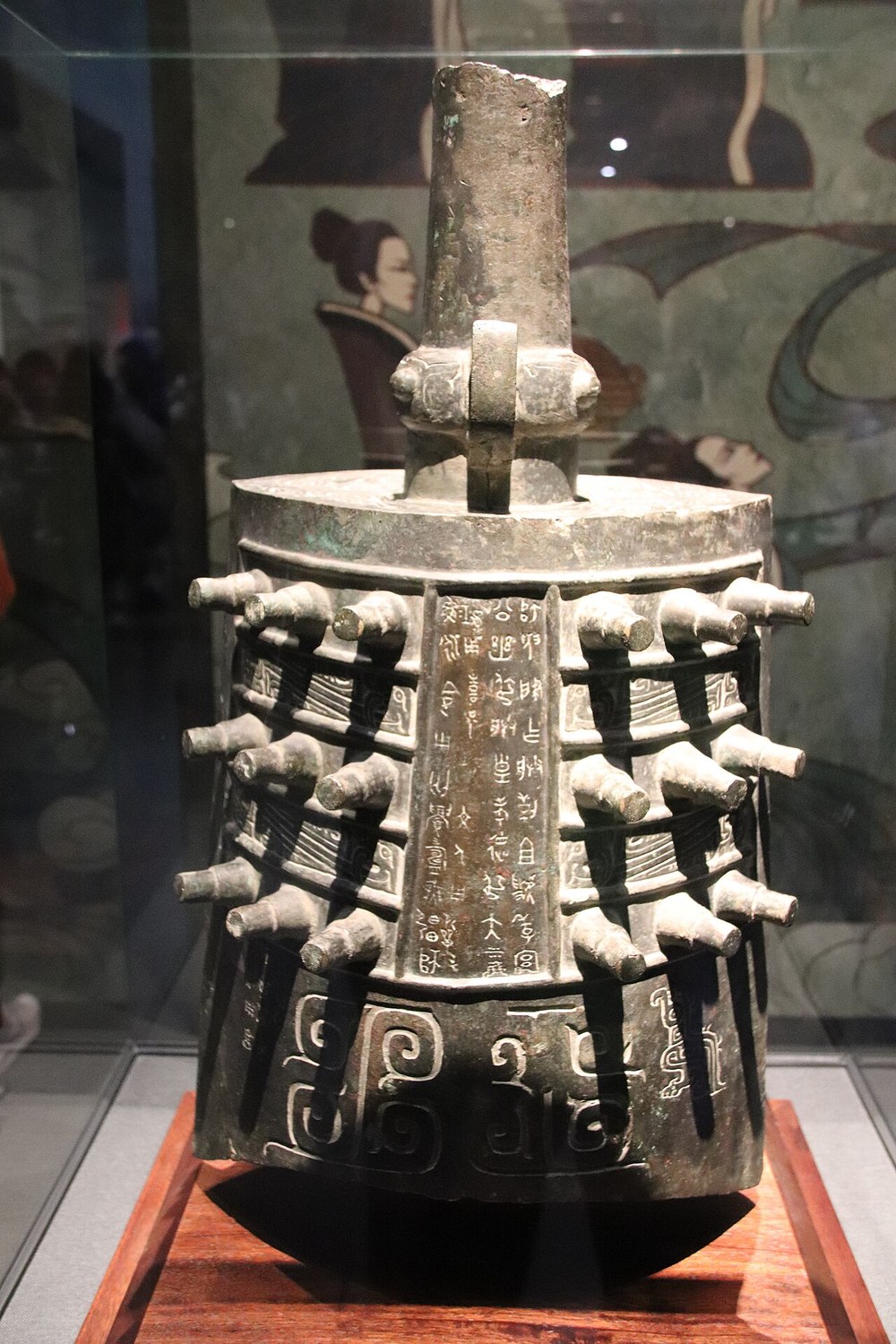
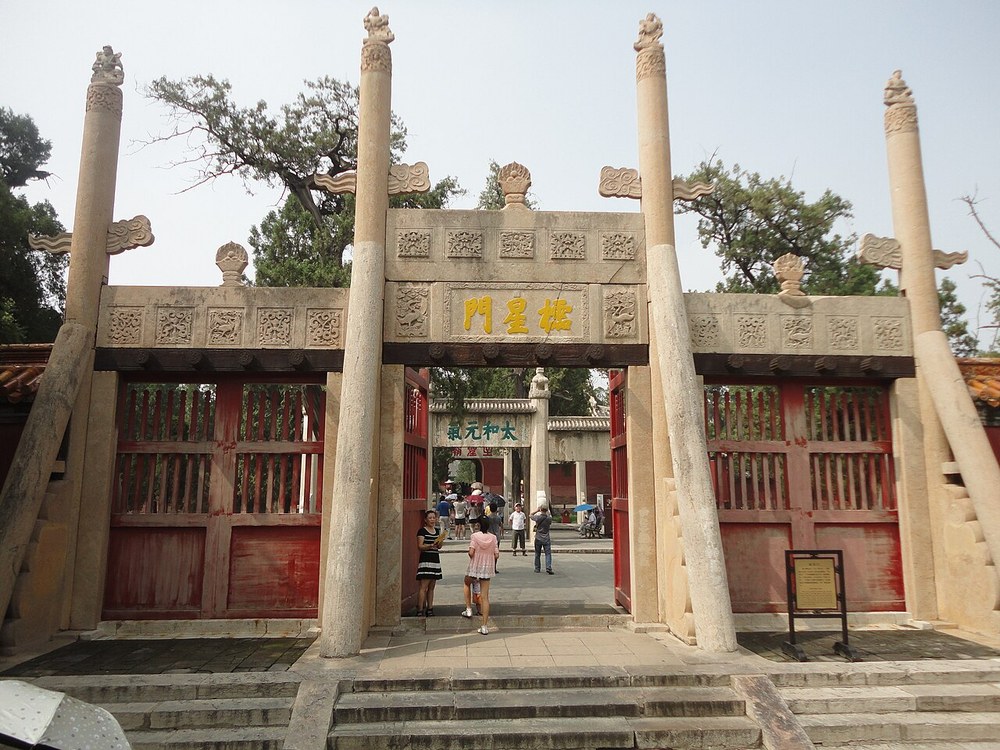
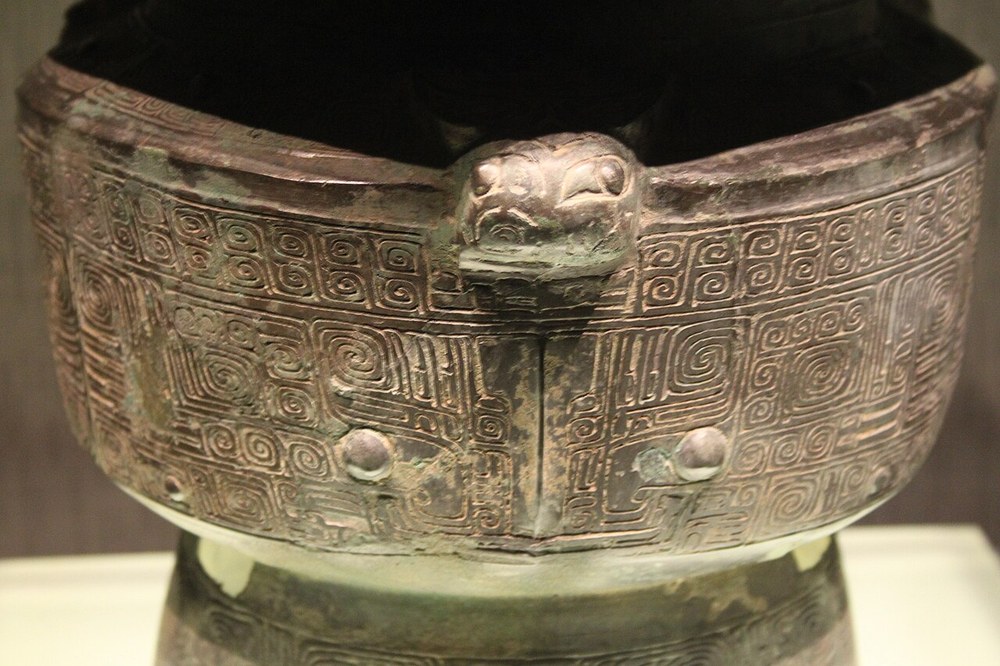
No dynasty in Chinese history lasted as long as the Zhou — nearly eight centuries, from 1046 to 256 BCE. It began with a battle at dawn and an idea that outlived the dynasty itself by more than two thousand years: the Mandate of Heaven. The Zhou claimed that Heaven gave the right to rule to just kings and took it away from cruel ones — which meant that every rebellion, every flood, every lost battle could be read as Heaven's verdict. It was the most powerful political idea China ever produced, and it was invented to justify a conquest.
In short
The Zhou overthrew the Shang at the Battle of Muye in 1046 BCE and ruled until 256 BCE — the longest dynasty in Chinese history. To justify the conquest, they claimed the Mandate of Heaven (tianming): the right to rule granted by Heaven to a virtuous ruler and withdrawn from a corrupt one. The dynasty's later centuries saw its kings reduced to figureheads while rival states fought the Warring States wars — and produced Confucius, Laozi, and the Hundred Schools of thought.
The conquest at Muye
The Zhou were a people of the Wei River valley, west of Shang territory, in what is now Shaanxi province. For generations they were allies — and sometimes subjects — of the Shang court. Under King Wen, who ruled from about 1099 BCE, they gathered the allegiance of the western states; his son King Wu finished the work. In 1046 BCE, Wu led an army of about 50,000 men against a much larger Shang force at Muye, near the Shang capital, and won in a single dawn engagement. The last Shang king died, and the Zhou took the throne.
The date of the battle is unusually well fixed for so remote an event: a bronze vessel cast by an officer named Li records that the victory fell on a jiazi morning with the planet Jupiter at its zenith — a detail that has let astronomers and historians argue the year toward 1046 BCE, the date now generally accepted.
The Mandate of Heaven
The Zhou needed to explain why they, newcomers, had the right to overthrow a dynasty that had ruled for centuries. Their answer was the Mandate of Heaven, or tianming. Heaven, they said, gave the throne to a ruler who was righteous and benevolent, and took it away from one who was cruel, drunken, and neglectful of the people. The Shang kings had once held the Mandate and lost it; the Zhou had received it — and could lose it the same way. The ruler became the Son of Heaven, tianzi, but his warrant was a lease, not a freehold.
The idea cut both ways. It legitimised the Zhou, but it also licensed every later rebellion: if a dynasty fell, that was proof Heaven had withdrawn its favour. Floods, famine, and earthquakes were read as signs the Mandate was slipping. For the next 3,000 years, every Chinese dynasty would rise and fall inside this frame — and every rebel would claim Heaven was on his side.
From kings to figureheads
The early Zhou, the Western Zhou (1046–771 BCE), ruled from Fenghao near modern Xi'an, granting land to royal relatives and allies in a feudal pattern. In 771 BCE invaders sacked the capital, killed the king, and forced the court east to Luoyang — the start of the Eastern Zhou. From then on the kings reigned in name while real power passed to contending states: first in the Spring and Autumn period (771–476 BCE), then in the far bloodier Warring States period (475–221 BCE), when seven great states fought for supremacy.
Paradoxically, this age of political breakdown was China's greatest age of thought. Confucius (551–479 BCE) taught duty, ritual, and good government; Laozi, traditionally credited with the Daodejing, taught the way of nature and non-action; Legalists, Mohists, and dozens of other schools argued in what later historians called the Hundred Schools of Thought. Their debates — about what makes a ruler legitimate, how a state should be run, and how a person should live — shaped Chinese civilisation for the next two millennia, long after the last Zhou king was deposed by the rising state of Qin in 256 BCE.
Sources: Britannica, "Zhou dynasty"; EBSCO Research Starters, "Mandate of Heaven"; Humanities LibreTexts, "The Mandate of Heaven" Checked 27 November 2026.