The History of China, from the First Dynasties to Today
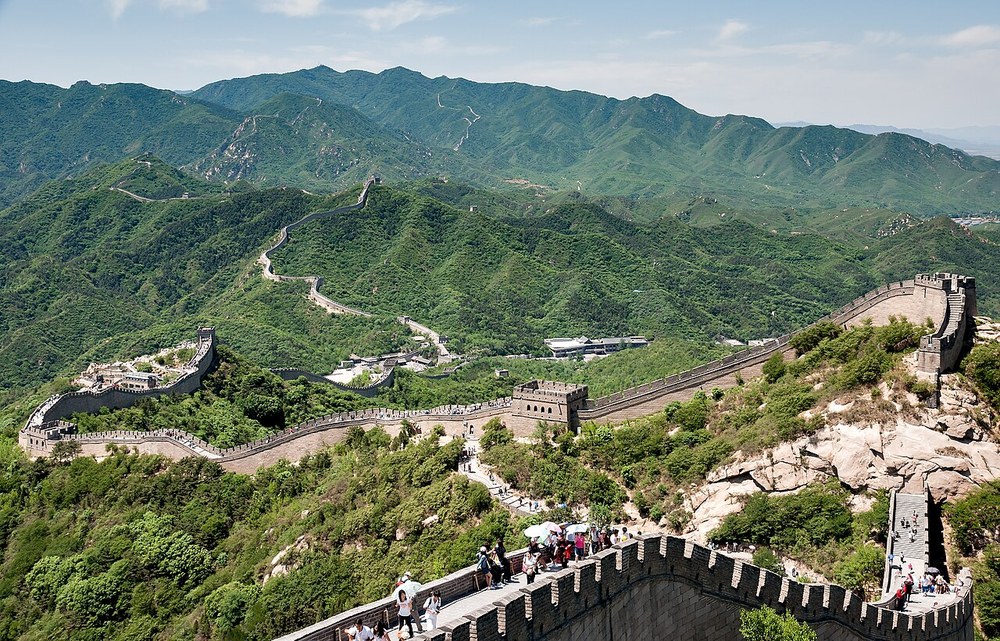
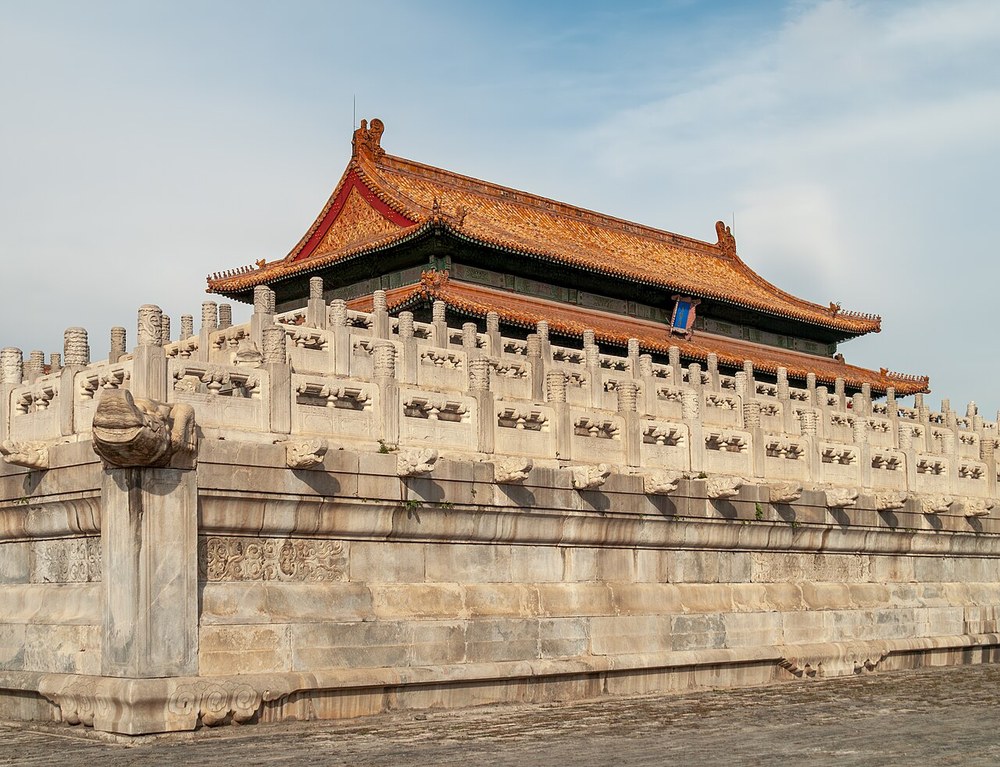
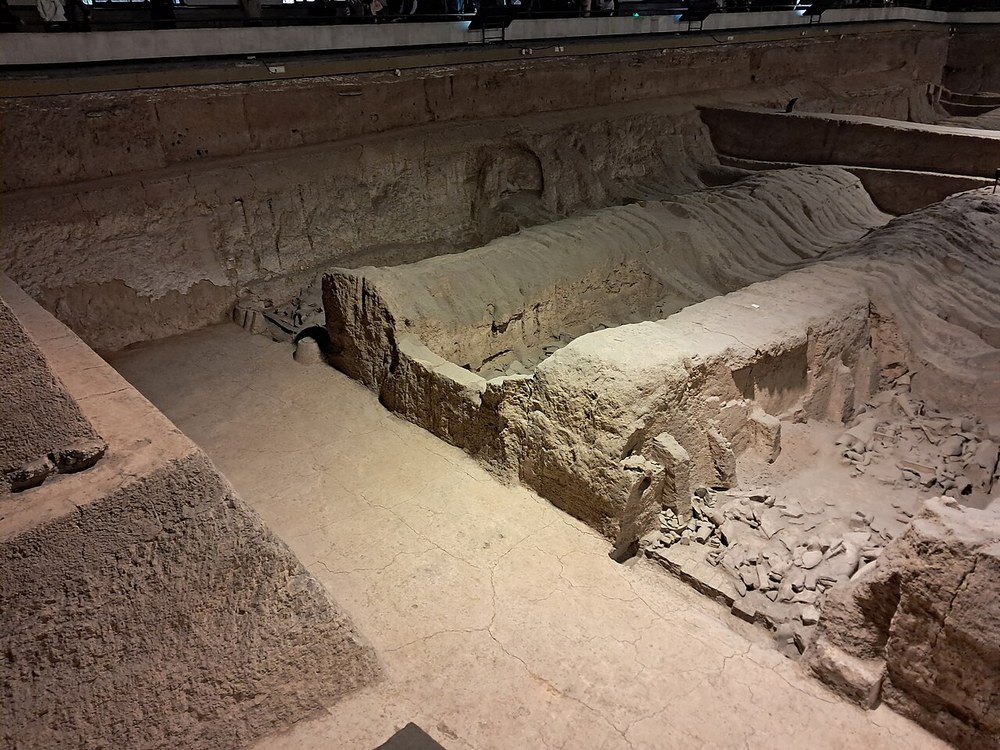
China is the world's oldest continuous civilisation — a story that runs, without a break, for more than 4,000 years, from Bronze Age kings who asked their ancestors questions on turtle shells to the world's second-largest economy today. It is a story of dynasties that rose and fell, of inventions that changed the world, of a Great Wall, a Forbidden City, and a Silk Road, and of a people who kept one written language and one idea of China through every conquest and collapse. This site tells that story in eleven chapters, from the first dynasties to modern China. Start anywhere; the story makes sense in any order, but it is best read from the beginning.
Start here
Five numbers tell the story. More than 200,000 oracle bone fragments survive from the Shang dynasty — the oldest Chinese writing, from about 1250 BCE. The Great Wall, begun under the First Emperor in 221 BCE and rebuilt by the Ming, runs for more than 13,000 miles in all its branches. The Terracotta Army buried with the First Emperor holds about 8,000 life-size soldiers. Chang'an, the Tang capital, held about a million people around 700 CE — the largest city on Earth. And the Qing empire, at its height in the late 18th century, accounted for about 30 percent of the world's economic output.
The first dynasties
- Xia and Shang — China's first dynasties: the Xia of legend and the Shang, confirmed by oracle bones — the oldest Chinese writing.
- Zhou and the Mandate of Heaven — China's longest dynasty (1046–256 BCE) and the idea that rulers rule only while they are just.
- Qin Unification: The First Emperor and the Great Wall — in 221 BCE Qin Shi Huang unified China, standardised its script — and started the Great Wall.
- The Han Dynasty and the Silk Road — the Han (206 BCE–220 CE) gave China its lasting form and opened the Silk Road to the West.
The golden ages
- The Tang Golden Age — poetry, Chang'an, and the Silk Road: China's cosmopolitan golden age, 618–907.
- Song Innovation — printing, gunpowder, and the compass: the Song (960–1279) was China's great age of invention.
- The Mongol Yuan Dynasty — Kublai Khan's China: the first foreign dynasty to rule all of China, 1271–1368.
- The Ming Dynasty and the Forbidden City — the Forbidden City (1406–1420), Zheng He's treasure fleets, and the Great Wall rebuilt.
The last empire and modern China
- The Qing Dynasty — China's last empire: Manchu rulers, three great emperors, and a fall in 1912.
- The Opium Wars and the Fall of the Qing — the wars of 1839–42 and 1856–60 that forced China open and began a century of humiliation.
- Republic, Civil War, and Modern China — from the Republic of 1912 through civil war to the People's Republic — and the reforms of 1978.
What this site will not do
China Decoded is general information for curious readers, not advice of any kind — it will not tell you what to think about modern politics, what to invest in, or how to travel. It recommends no products, ranks nothing, carries no affiliate links, and never collects your email address. Dates before the modern era are approximate, and the guides say so where the evidence is uncertain; where historians disagree — as over the Xia dynasty — the guides name the debate instead of picking a side.
All dates on this site were checked against the sources named on each page on 27 November 2026. Dates before the modern era are approximate, and each guide says where the evidence is uncertain or historians disagree.
Sources: This site's facts come from reference sources named on each page: the Encyclopaedia Britannica, National Geographic, EBSCO Research Starters, the Humanities LibreTexts, the Smithsonian Institution, and university and museum publications.